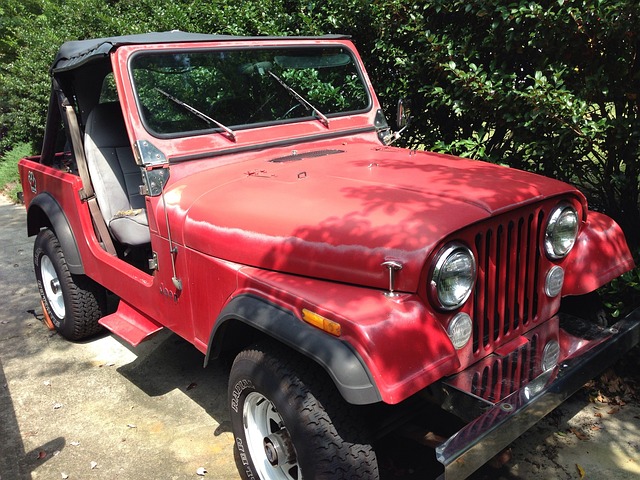
In Brownsville, Texas, selecting the best 4×4 repair shop for your fleet is crucial for safety and operational efficiency. This guide explores key aspects of fleet truck maintenance, highlighting the essential services and best practices to ensure your vehicles remain reliable in diverse terrain. From comprehensive diagnostics to specialized repairs, we’ll equip you to make informed decisions for top-notch vehicle care.
Introduction: Navigating Brownsville’s Roadways with Confidence
Brownsville, Texas, lies in a region known for its varied terrain, from urban streets to rugged off-road paths. For businesses relying on fleets of 4×4 trucks to navigate these conditions, finding a reliable and expert repair shop is paramount. Brownville Texas best 4×4 repair isn’t just about fixing breakdowns; it’s about ensuring your vehicles are prepared to handle any challenge the road throws their way.
Choosing the Right Partner for Your Fleet: Key Considerations
Selecting a Brownsville Texas best 4×4 repair shop involves more than just convenience. It requires an understanding of your fleet’s specific needs and the shop’s capabilities. Here are some critical factors to evaluate:
Experience & Specialization
- Expertise: Look for shops specializing in 4×4 vehicles, with technicians trained on the unique mechanics and systems of these trucks.
- Make and Model Knowledge: Ensure they have experience working with your fleet’s specific makes and models, as certain vehicles may require specialized tools and knowledge.
Reputational Reliability
- Customer Reviews: Read online reviews from other businesses to gauge customer satisfaction, work quality, and responsiveness.
- Local Recommendations: Ask fellow business owners in Brownsville for recommendations based on their own experiences with repair shops.
Services Offered: Comprehensive Care for Your Fleet
- Preventive Maintenance: Reputable shops offer scheduled maintenance packages tailored to 4x4s, including oil changes, tire rotations, and inspections to prevent breakdowns.
- Diagnostic Expertise: Advanced diagnostic tools are essential for accurately identifying issues. Look for shops equipped with the latest technology to pinpoint problems efficiently.
- Specialized Repairs: From engine overhauls to suspension repairs, ensure they can handle major repairs and have the necessary equipment and parts in stock.
- Roadside Assistance: Consider shops offering roadside assistance services for unexpected breakdowns, providing peace of mind while on the road.
Best Practices for Maintaining Your Fleet’s 4x4s: A Comprehensive Approach
Implementing robust fleet maintenance practices is key to minimizing downtime and maximizing the lifespan of your 4×4 trucks.
Establish a Routine Maintenance Schedule
- Scheduled Service: Stick to a regular service schedule, including oil changes, filter replacements, and other preventive measures recommended by the vehicle manufacturer.
- Mileage-Based Checkups: In addition to time-based maintenance, perform thorough inspections at specific mileage milestones (e.g., every 5000 miles) to catch potential issues early.
Conduct Thorough Pre-Trip Inspections
- Safety First: Before each trip, conduct a pre-trip inspection covering critical areas like tires, brakes, lights, and fluids. Address any issues before hitting the road.
- Documentation: Keep detailed records of inspections, maintenance performed, and repairs, ensuring vehicles are maintained according to specifications.
Train Drivers on Best Practices
- Defensive Driving: Provide drivers with training on defensive driving techniques to minimize accidents and reduce wear on vehicles.
- Fuel Efficiency: Teach fuel-saving practices like maintaining optimal tire pressure and avoiding aggressive driving to lower operational costs.
Utilize Technology for Tracking and Diagnostics
- GPS Tracking: Implement GPS tracking systems to monitor vehicle location, usage patterns, and driver behavior, helping to prevent misuse and optimize maintenance schedules.
- Telematics: Consider telematics systems that provide real-time data on vehicle performance and diagnostics, enabling proactive maintenance.
FAQ: Addressing Your Brownsville 4×4 Repair Queries
Q: How often should I get my 4×4 truck serviced?
A: Follow the vehicle manufacturer’s recommended service schedule, typically involving oil changes every 3000 to 5000 miles and more thorough inspections at specified mileage intervals. Consistent maintenance is key to preventing costly breakdowns.
Q: What should I look for during a pre-trip inspection?
A: Check tire pressure and tread wear, brake function, lights (headlights, taillights, turn signals), fluid levels (engine oil, coolant, brake fluid), and belts for cracks or damage. Addressing any issues before driving is crucial for safety and vehicle longevity.
Q: Can I perform basic maintenance on my 4×4 myself?
A: While some basic tasks like oil changes are do-it-yourself friendly, complex repairs like engine work or transmission servicing require specialized knowledge and tools. It’s generally best to leave these tasks to experienced technicians for safety and quality assurance.
Q: What sets a "best" 4×4 repair shop apart from the rest?
A: The best shops combine expertise in 4×4 repairs, a strong reputation for customer service, a wide range of services, competitive pricing, and a commitment to using high-quality parts and equipment.
Q: How can I afford the cost of regular maintenance?
A: Regular maintenance prevents costly repairs down the line. Many shops offer preventive maintenance packages at affordable rates, making it a wise investment for business owners looking to keep their fleets running smoothly and efficiently.
Conclusion: Investing in Quality Care for Your Brownsville Fleet
Choosing the right Brownsville Texas best 4×4 repair shop is an investment in the safety, reliability, and longevity of your fleet. By understanding your needs, selecting a qualified partner, and implementing robust maintenance practices, you can confidently navigate Brownsville’s diverse terrain and beyond. Remember, proactive care is key to minimizing downtime and maximizing the return on your fleet investment.